Places & architecture 8 min read
The Shells That Share One Sphere
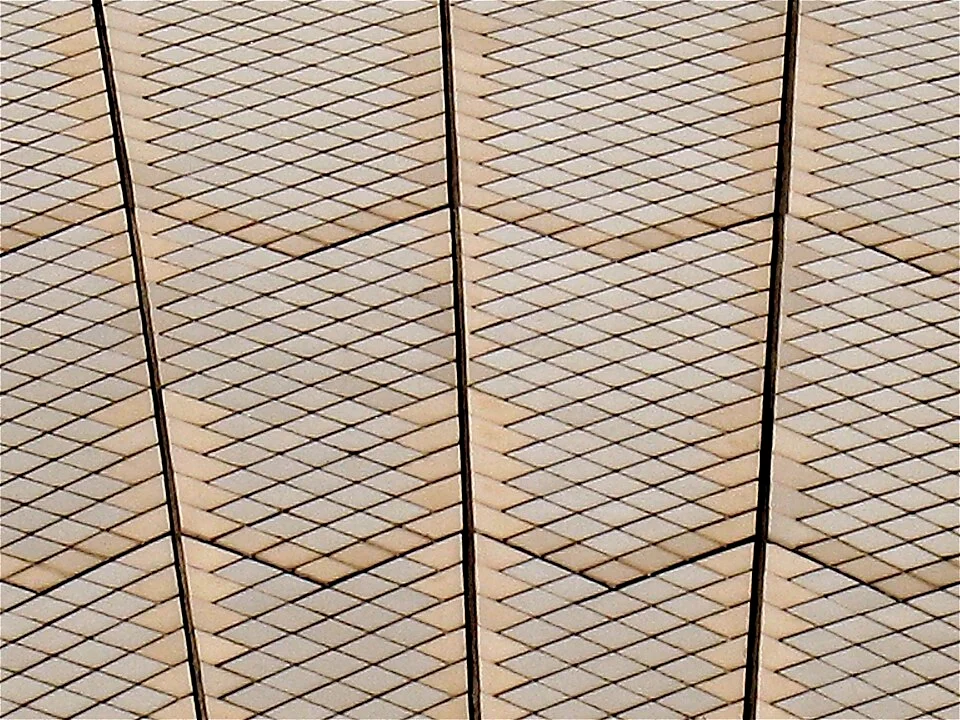
The roof shapes of the Sydney Opera House look different from one another. Giving them a common curvature helped turn an architectural drawing into a set of parts people could make.
 The culture edition
Read the decisions written into buildings and public rooms.
The roof shapes of the Sydney Opera House look different from one another. Giving them a common curvature helped turn an architectural drawing into a set of parts people could make.
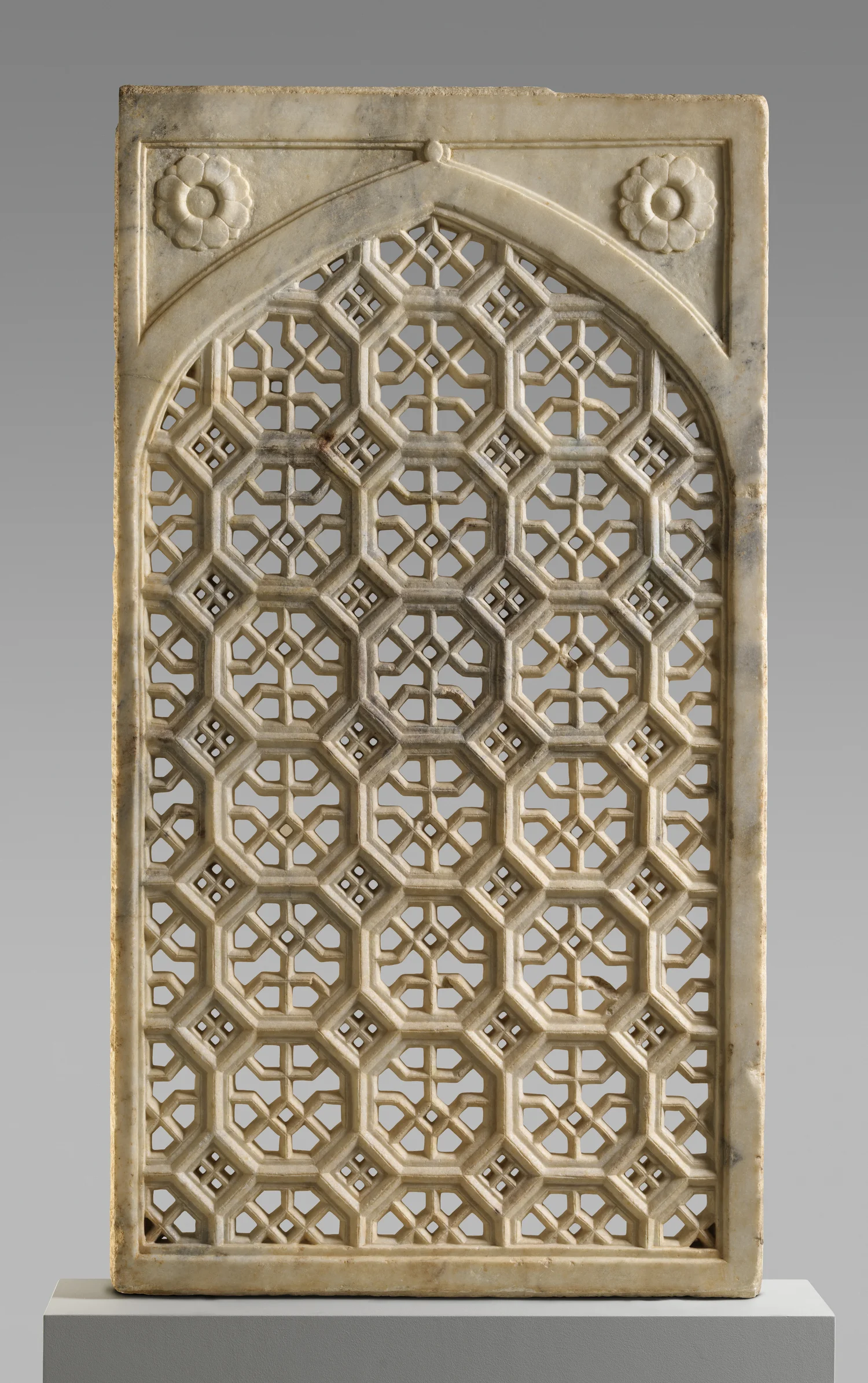
An early seventeenth-century jali in the Met has one pattern in front of another. Its openings make more sense in a wall and changing light than they do as a flat design.
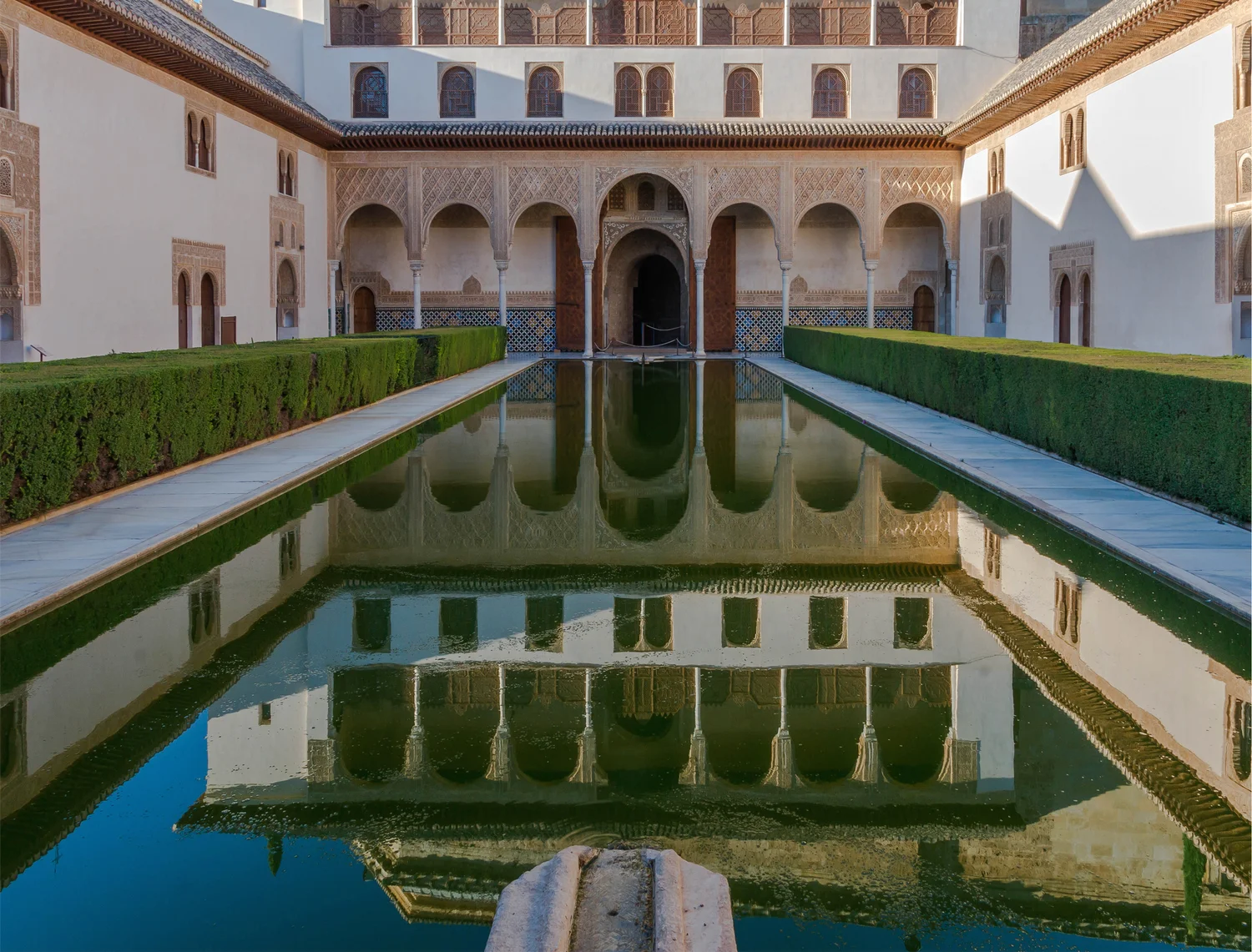
A long surface of water makes part of the Alhambra appear twice. The reflection is easiest to understand by looking at the route around the pool as carefully as the view along it.
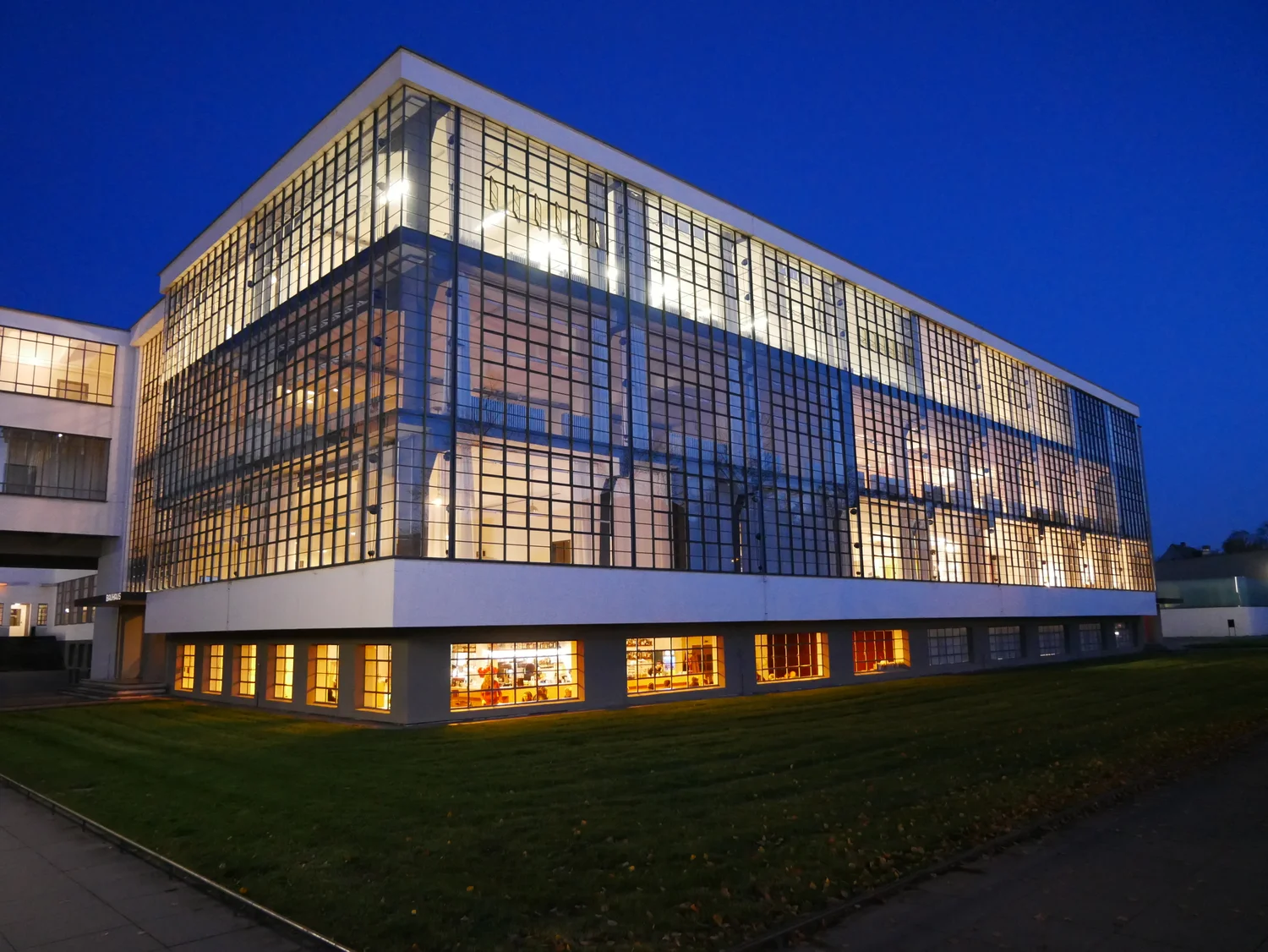
The workshop wing at the Bauhaus in Dessau looks different when the lights turn on. Its steel and glass face is easier to understand once the support, the working rooms and the photograph are considered separately.
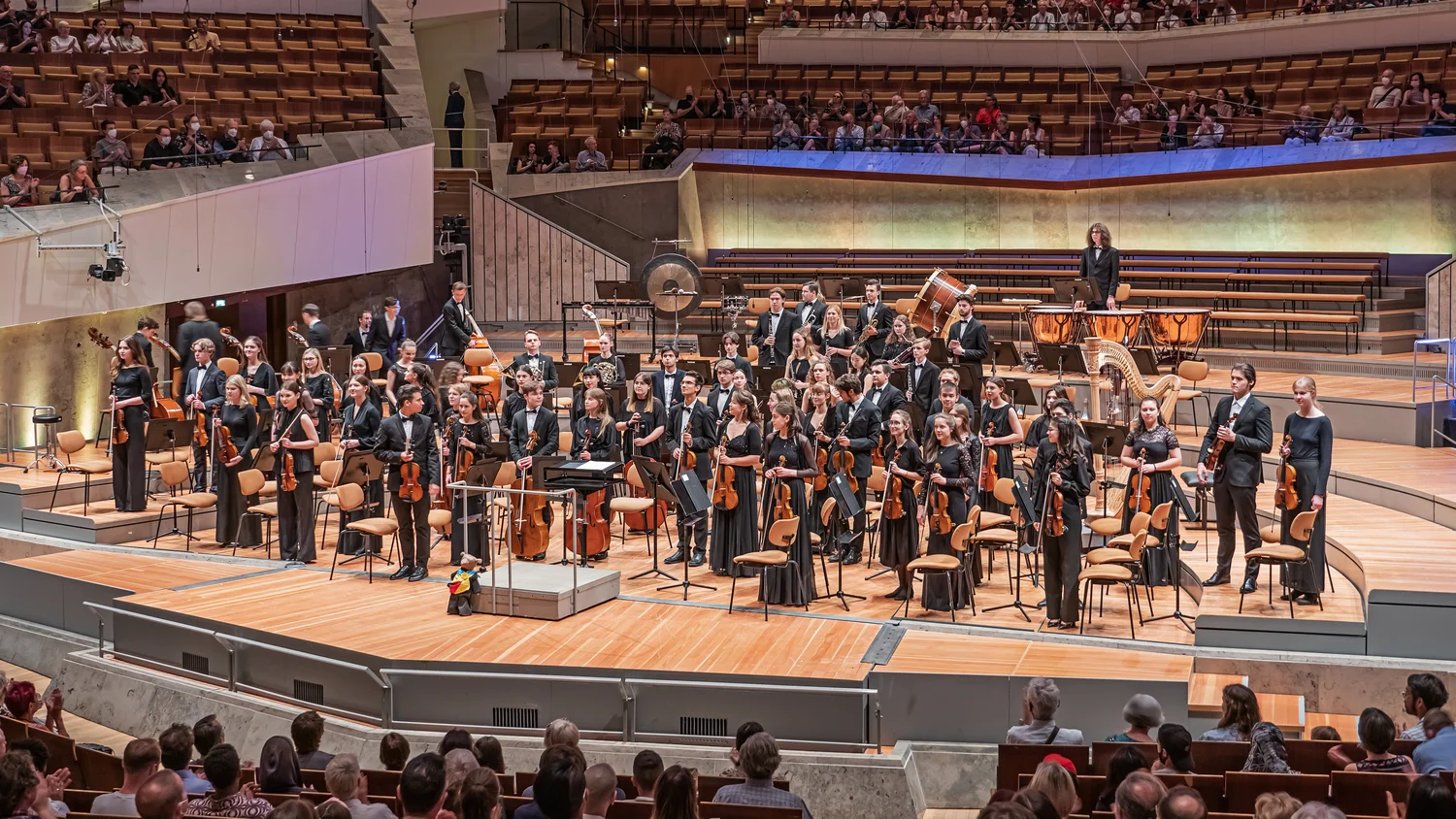
In the Berlin Philharmonie, the audience occupies several sides of the stage. A seat’s direction changes the view of a performance without making it a different work.
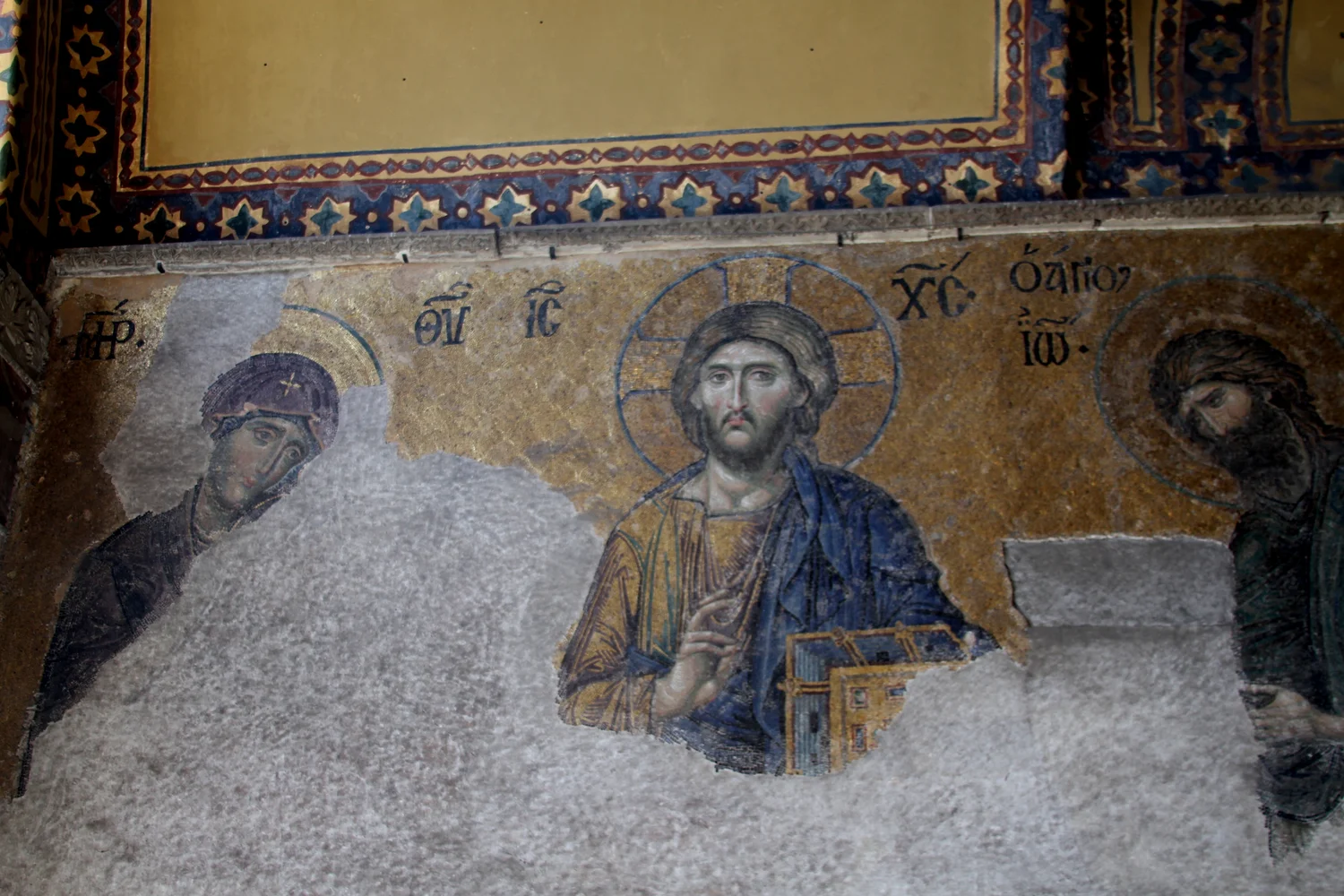
From one distance the Deësis mosaic in Hagia Sophia gives you three faces. From another it shows a field of individual surfaces that carry small differences in color and light.
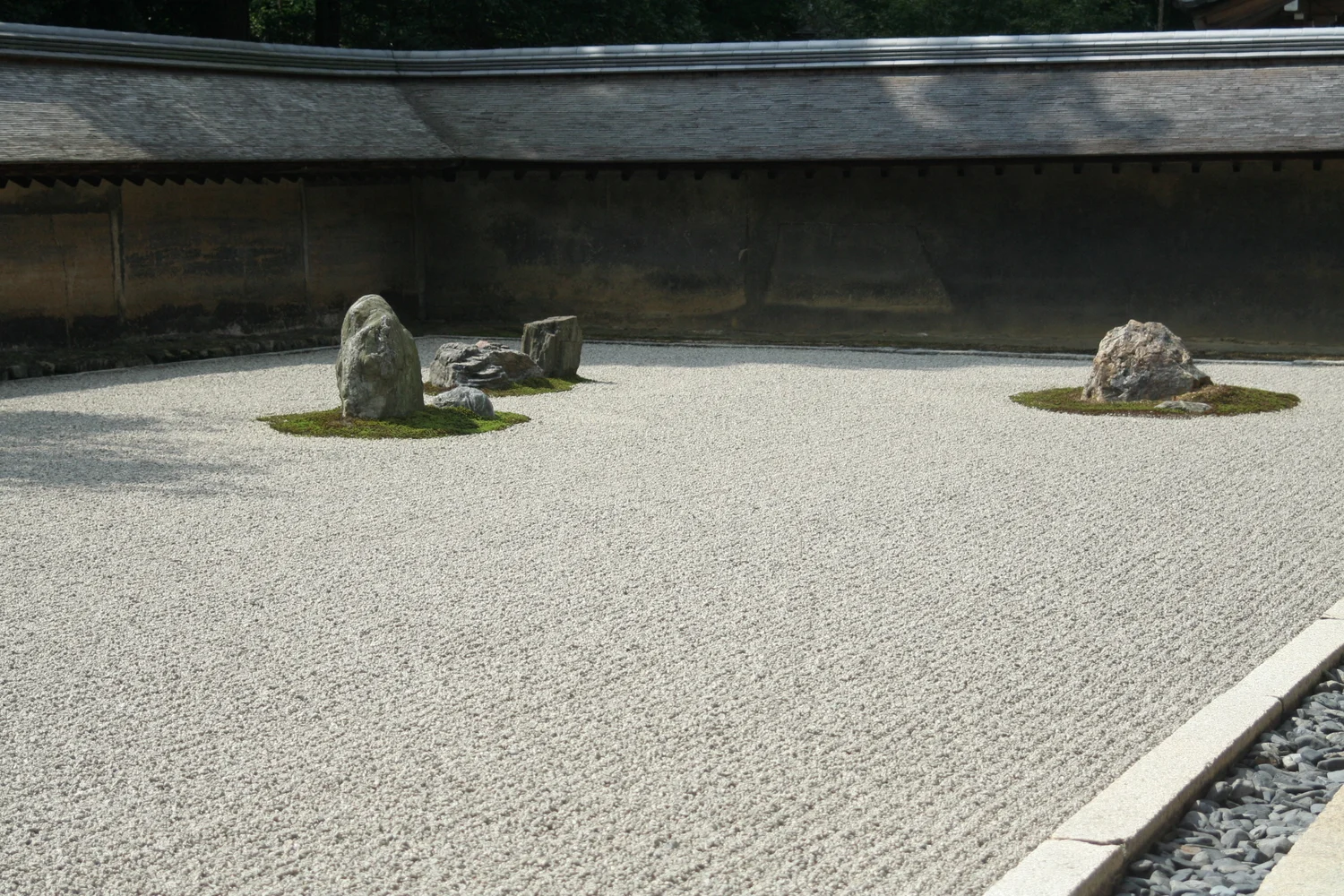
It is easy to count stones in the famous Kyoto garden and overlook the boundary that gives them a setting. The wall, the viewing edge and the gravel all have something to say.
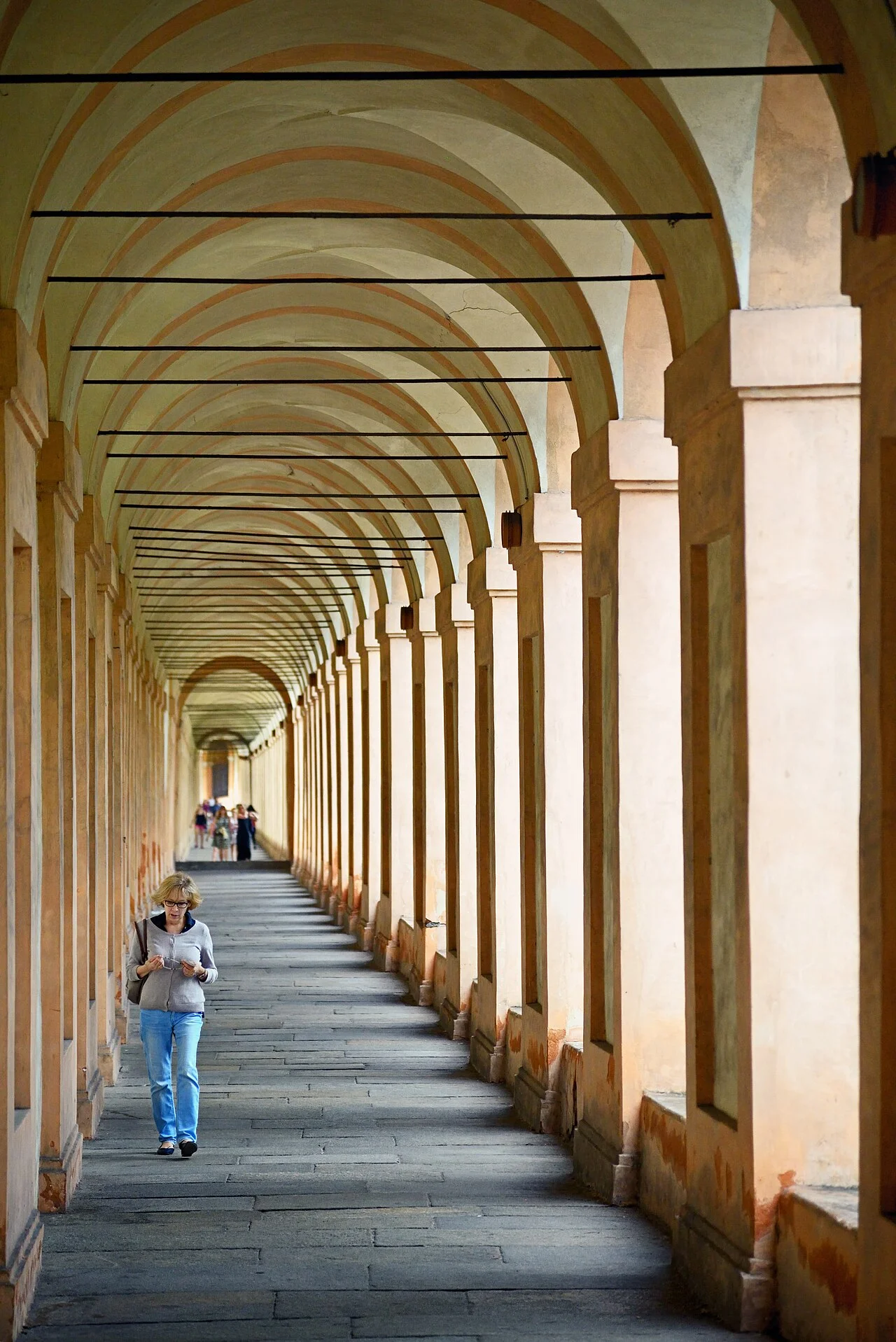
A long line of arches runs out of Bologna toward a hilltop sanctuary. Its level stretch, bridge and ascent reveal how a roof can give a journey a recognizable form.
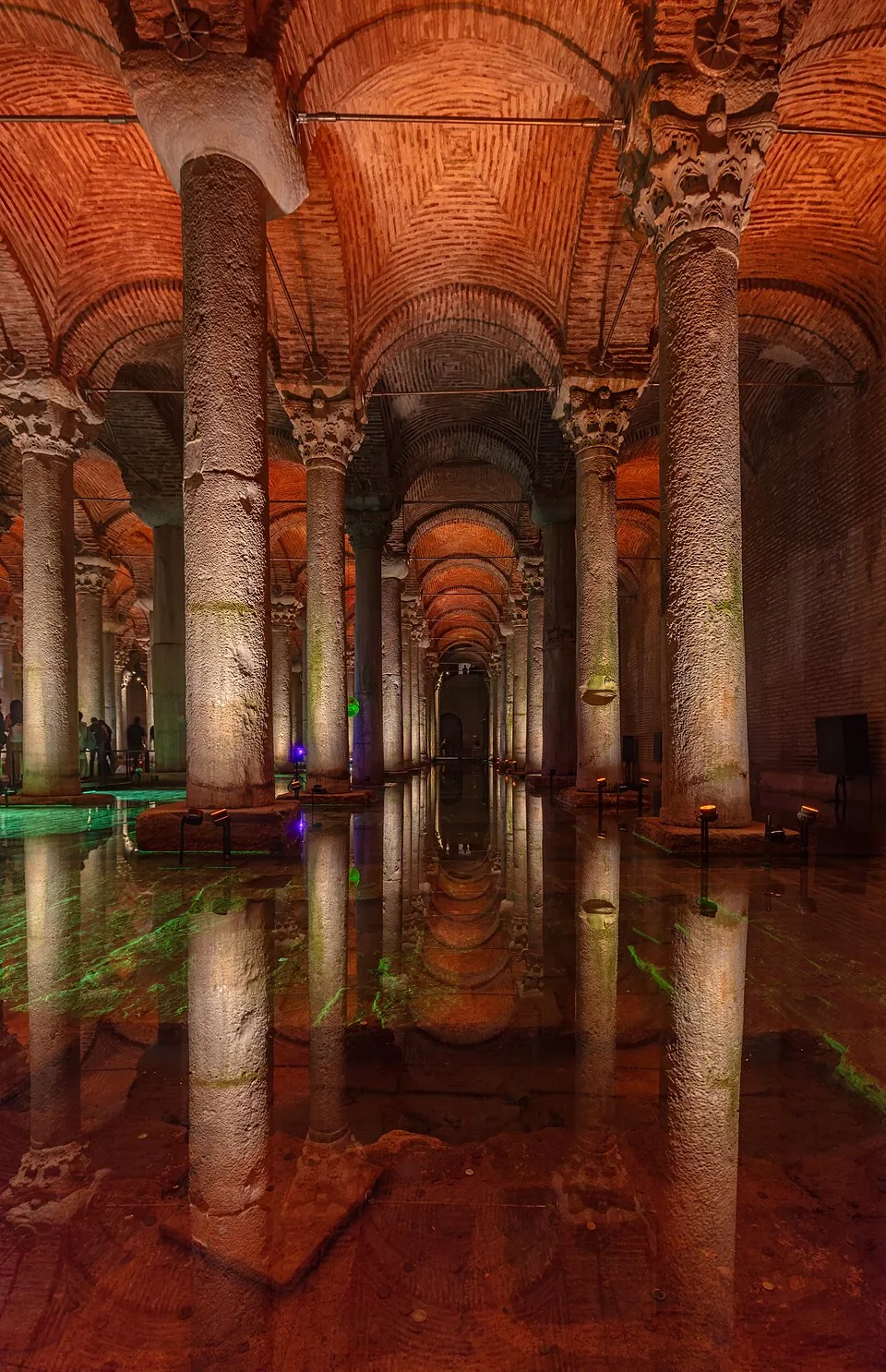
The Medusa heads get the close-ups. Start with the ceiling and the rows of columns, and Istanbul’s underground reservoir tells a larger story about water, building and reuse.
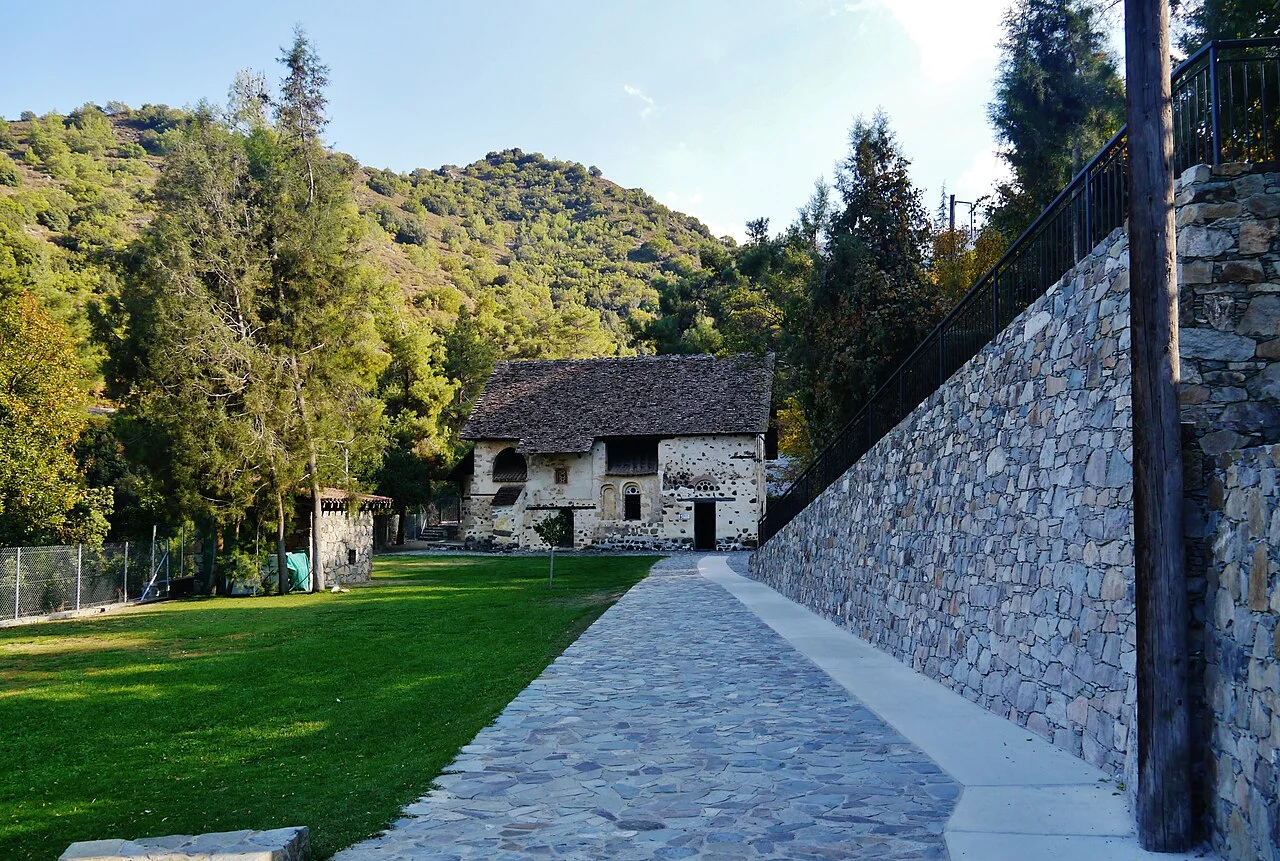
At a painted church in the Troodos mountains, the roof seen from the path and the ceiling encountered inside tell different parts of the building’s history.
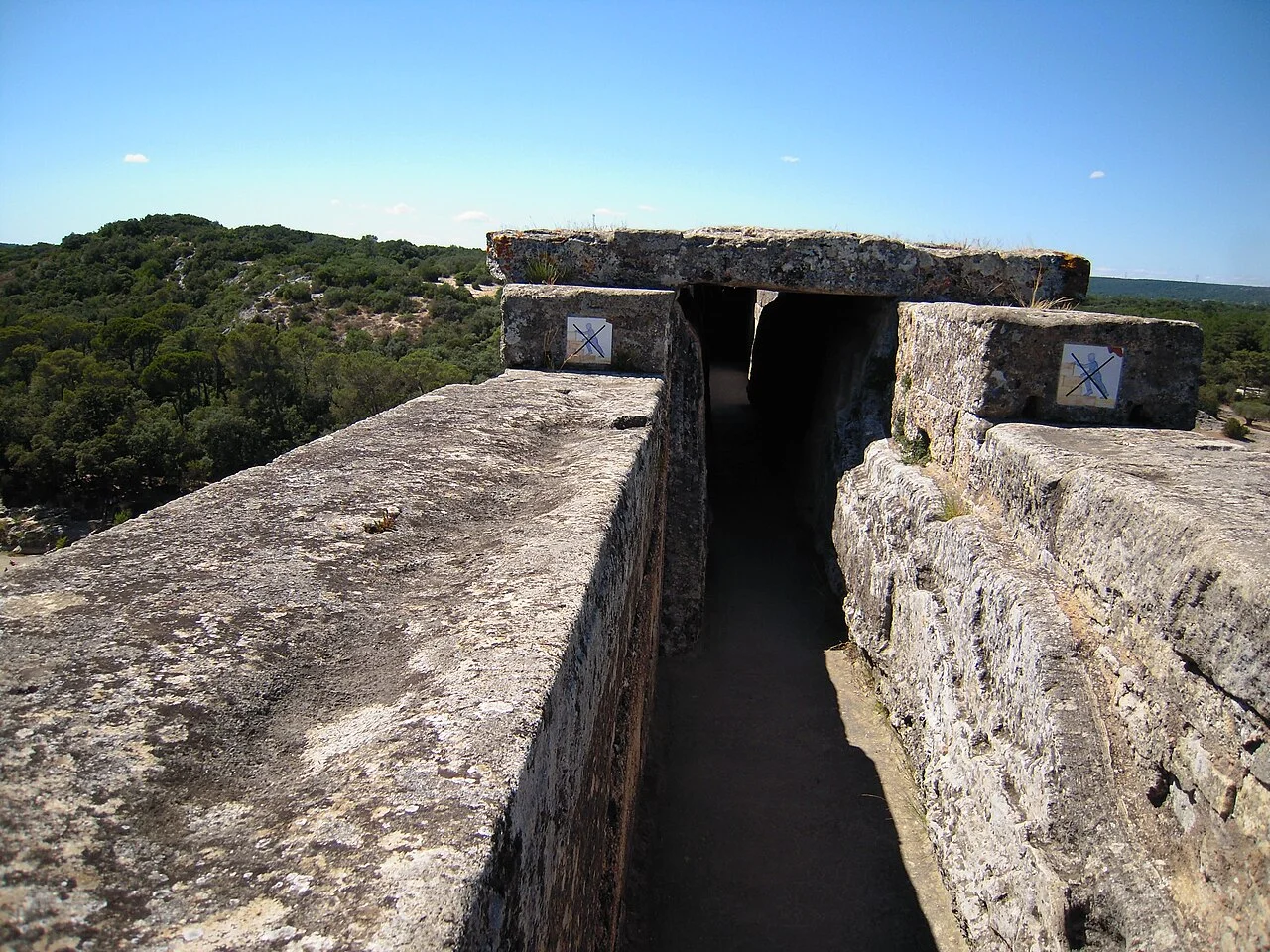
The aqueduct bridge is an arresting mass of stone. The line of its old channel reveals another achievement: preserving a slight downhill route across a deep valley.