Objects & craft 7 min read
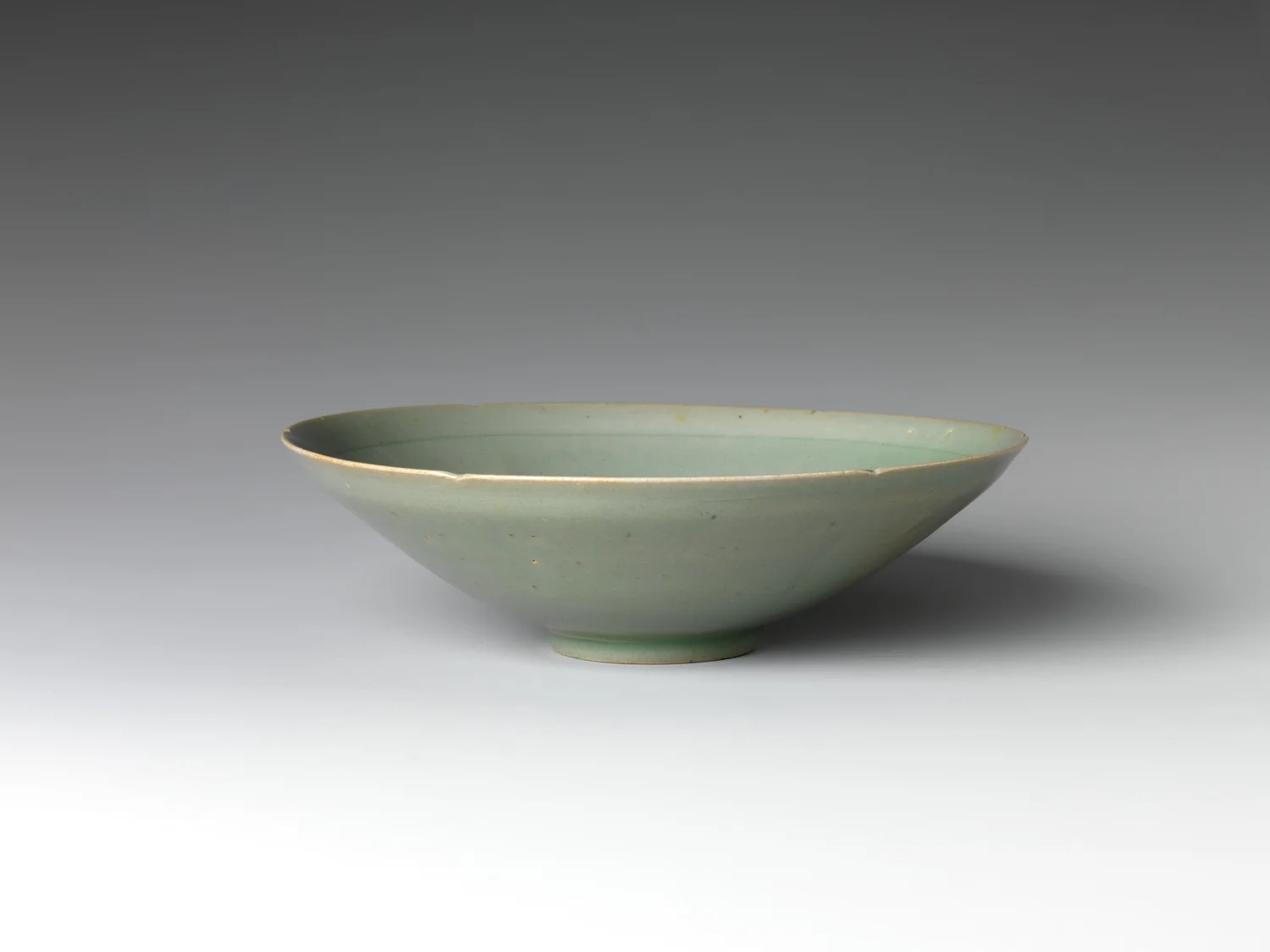
Three Marks Under a Celadon Bowl
A Goryeo bowl has a smooth green surface and an almost hidden record of how it was fired. The three marks beneath it tell a different story from the flower shape above.
 The culture edition
Look at the tools, materials and ordinary work behind familiar things.
A Goryeo bowl has a smooth green surface and an almost hidden record of how it was fired. The three marks beneath it tell a different story from the flower shape above.
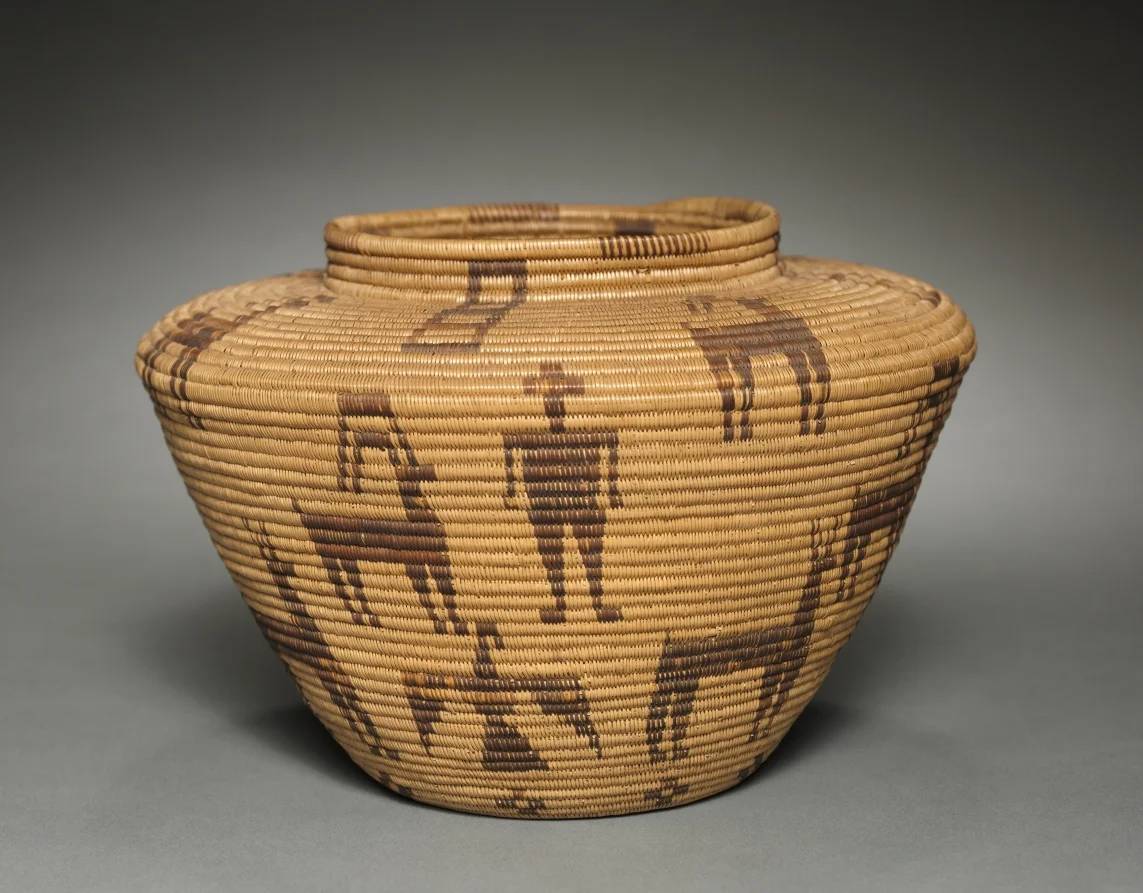
Figures travel around the shoulder of a willow and bulrush basket. Their outlines take shape within the same turns that give the jar its body.
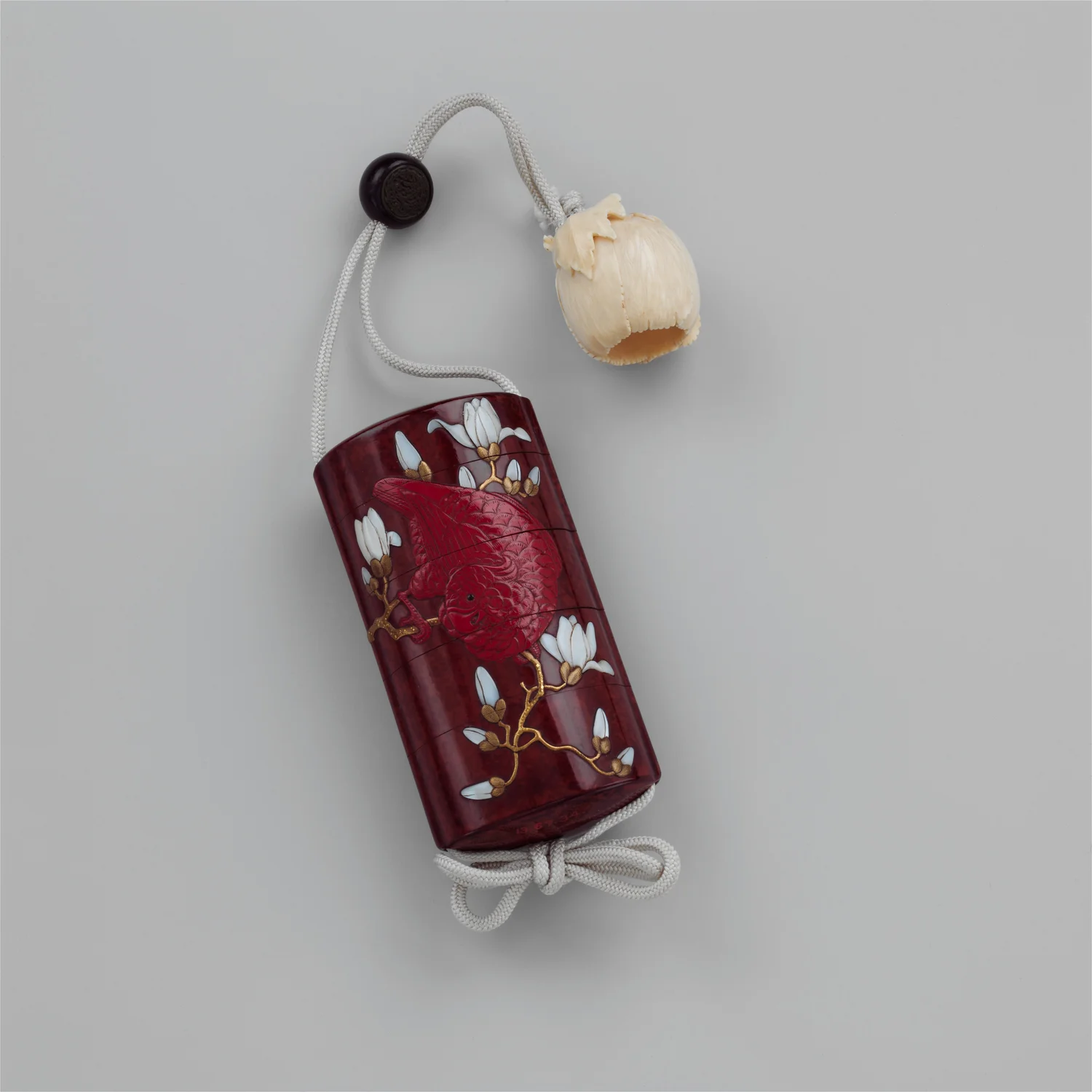
The lacquer case, sliding bead and sash toggle have separate shapes, but one cord makes them a wearable container. A nineteenth-century example shows how the mechanism shares room with the decoration.
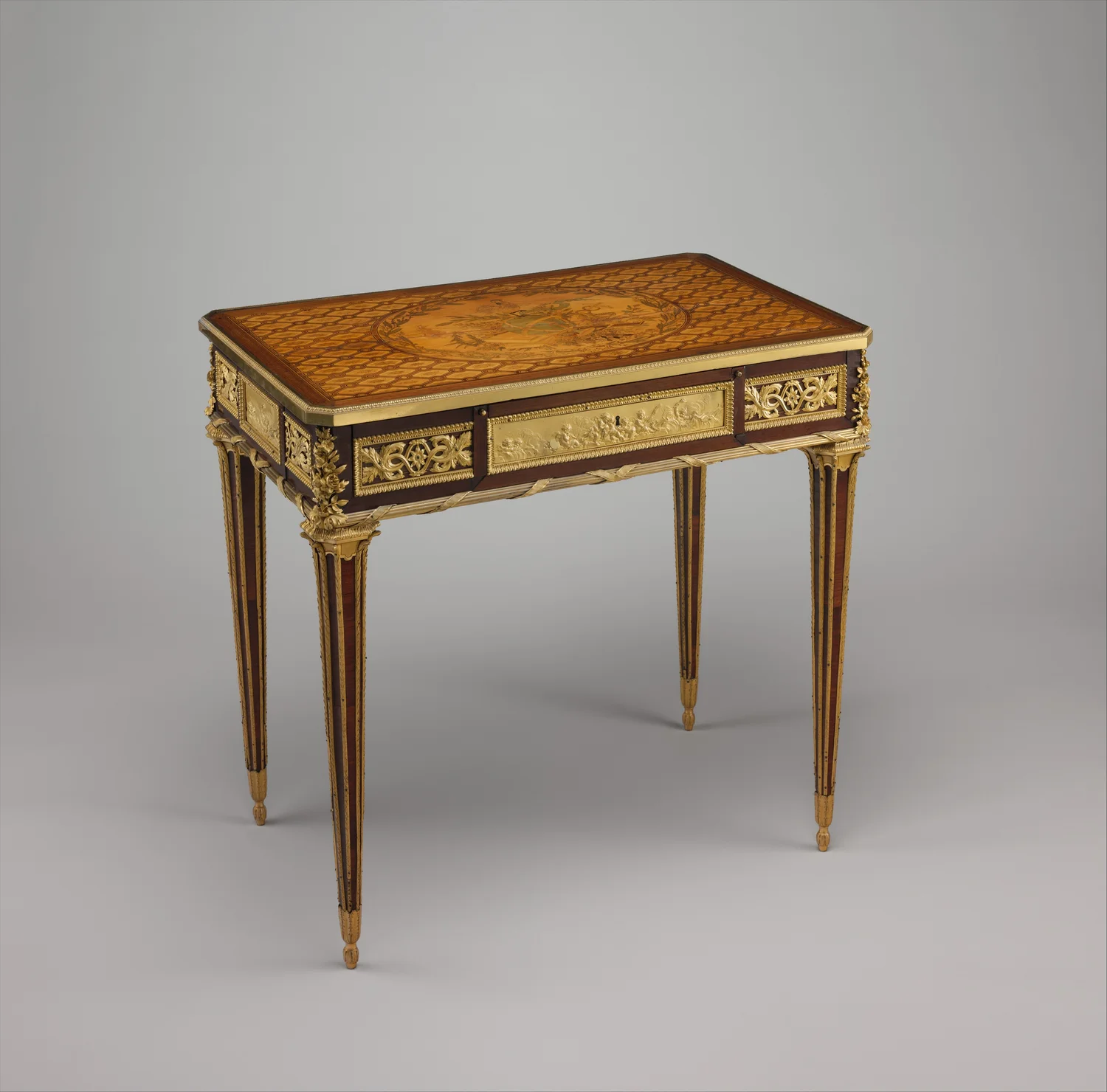
A surface that looks ready for a letter can become a bookstand or reveal a mirror. Jean Henri Riesener’s table turns a small piece of furniture into a sequence of positions.
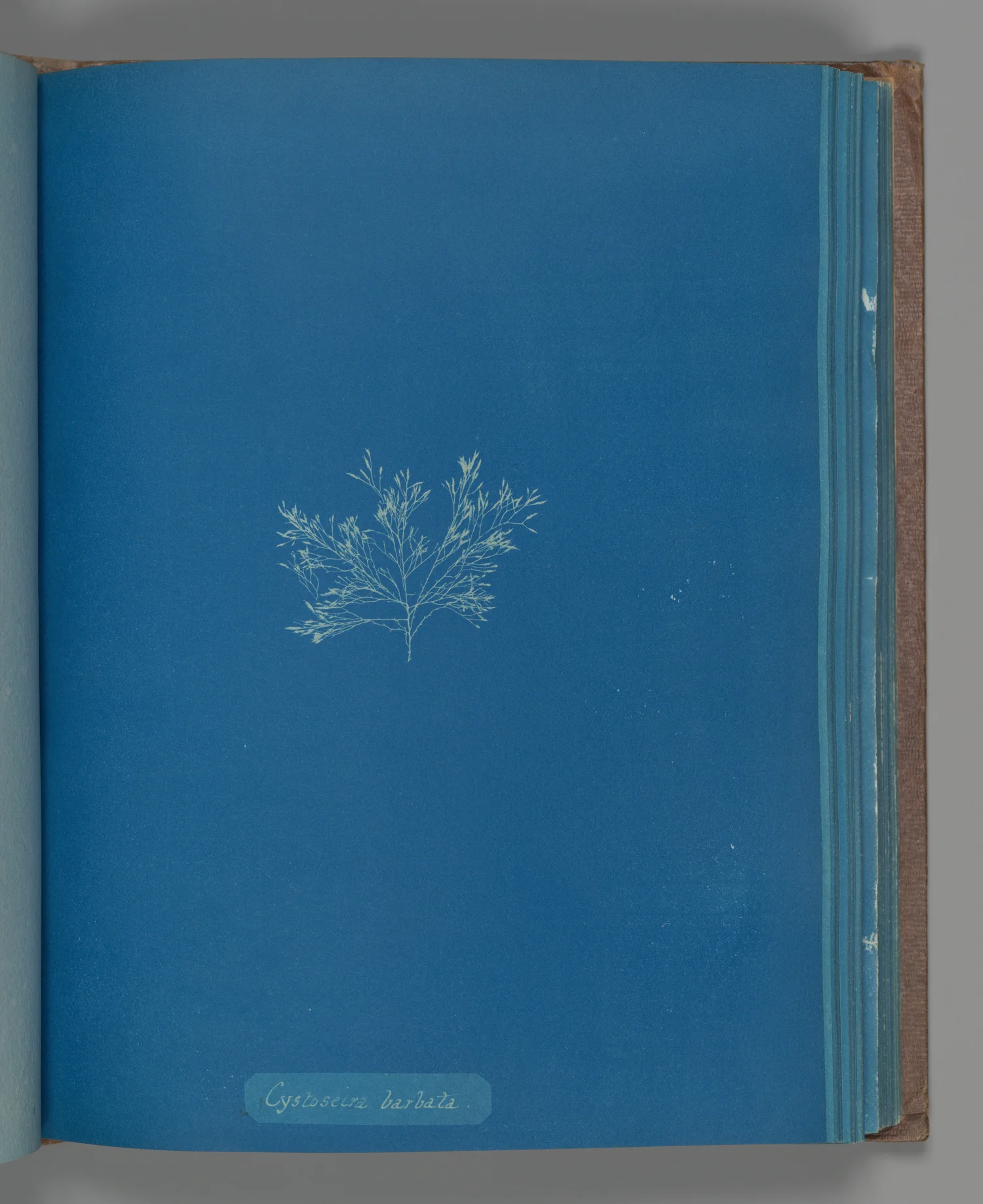
Anna Atkins put a specimen directly on light-sensitive paper. The resulting plate records contact, the arrangement of branches and a decision about how an image could work in a book.
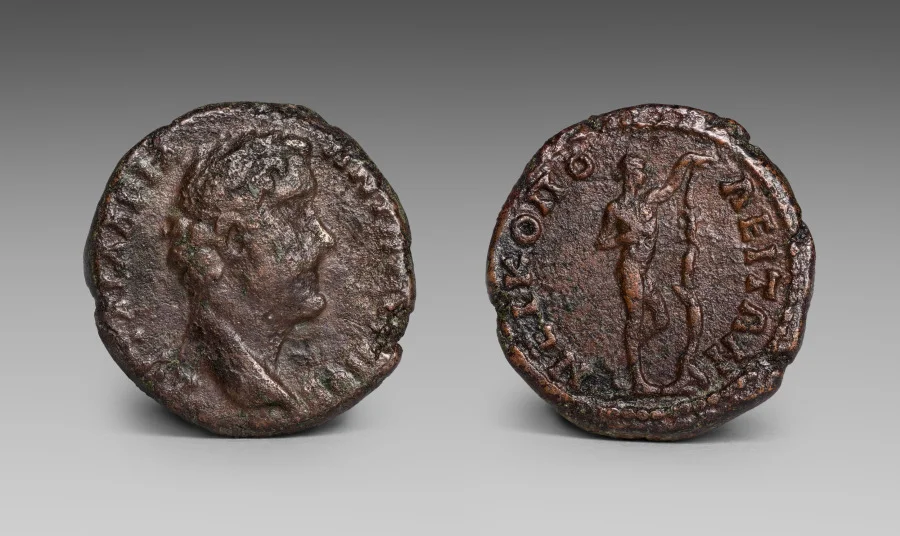
A bronze coin from Nicopolis ad Istrum puts a Roman emperor on one face and a youthful Apollo on the other. Looking at the two together changes what the object can tell us.
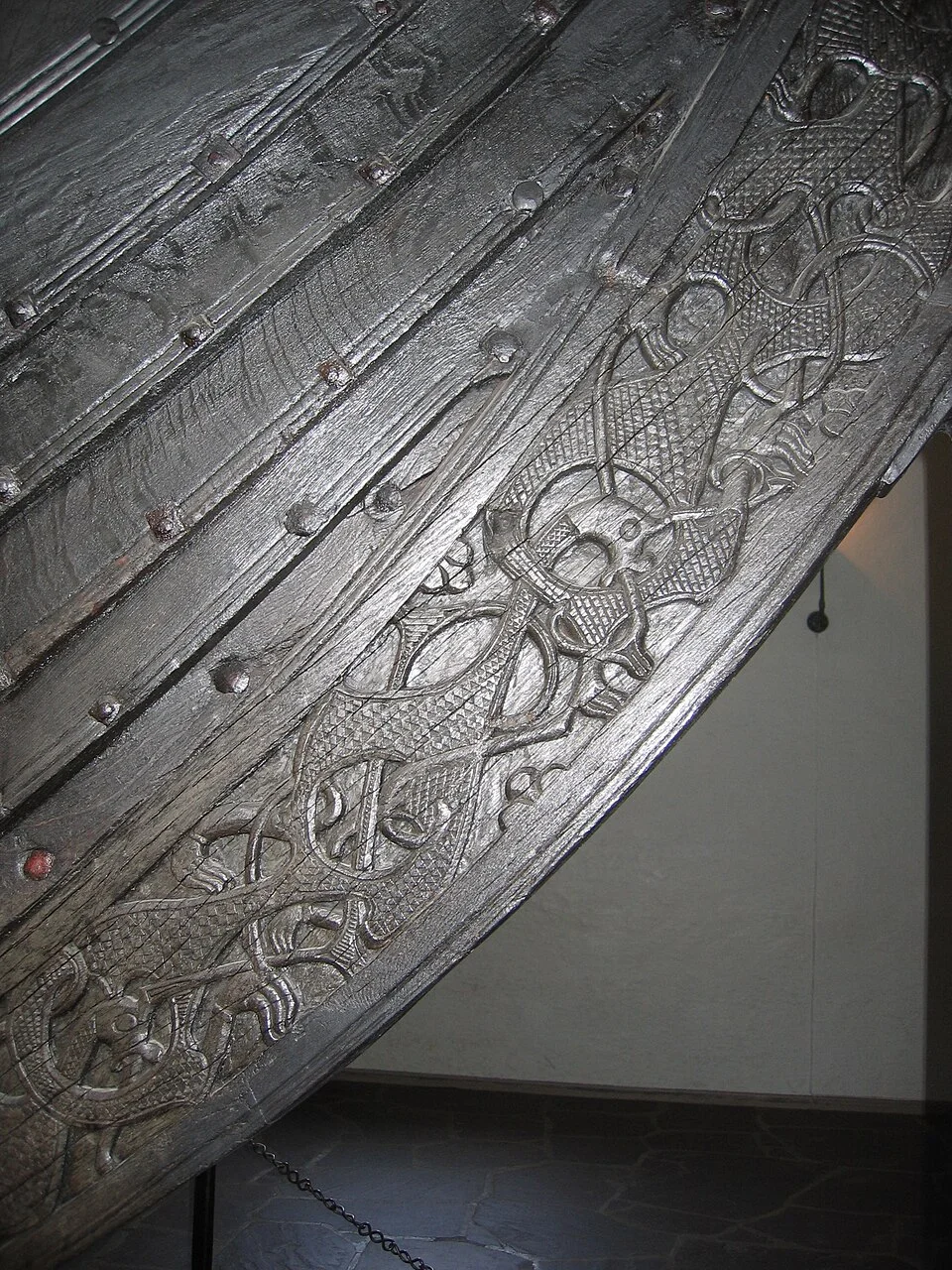
A hull can be recognized by the shape of its prow. A closer look at the Oseberg ship follows the narrow overlap that helps join one plank to the next.
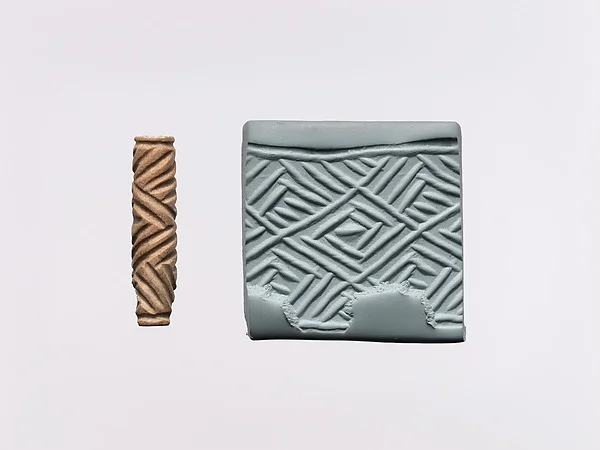
One design is cut into a stone cylinder; the other appears as a raised strip in clay. Starting with a modern impression makes it easier to reason backward to the ancient object.
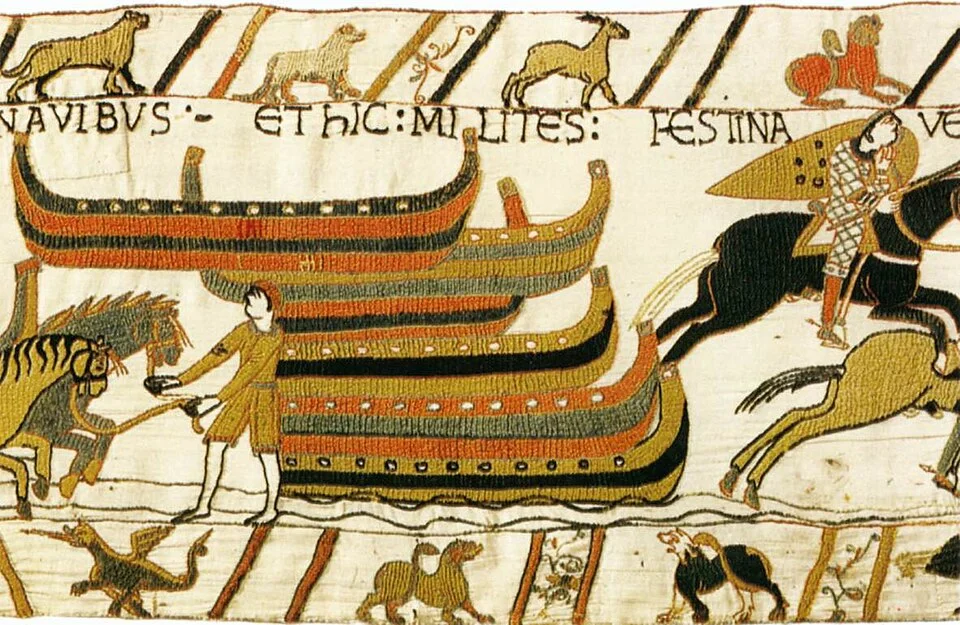
The linen runs under the horses, lettering and borders. Looking for that underlying fabric explains why a work long known as a tapestry was made a different way.
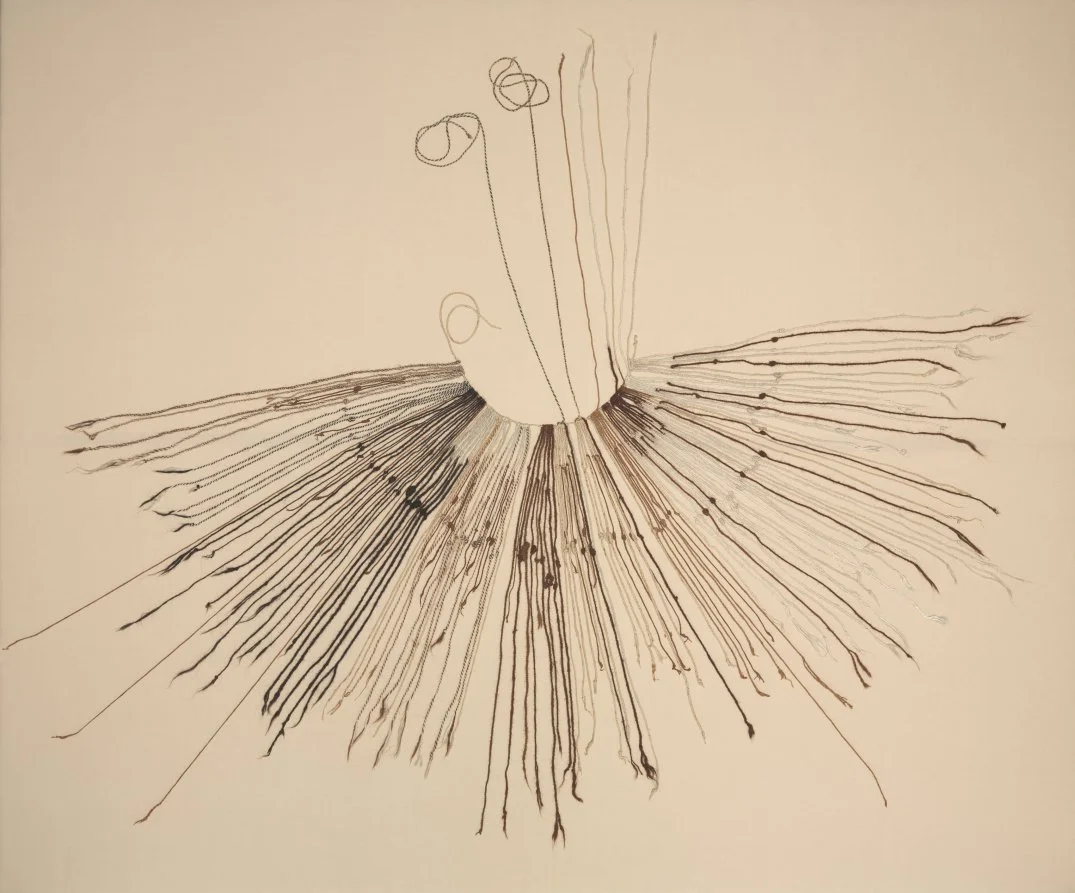
A khipu preserves relationships between cords as well as marks on individual ones. The way a record is attached can be as significant as the knots it contains.
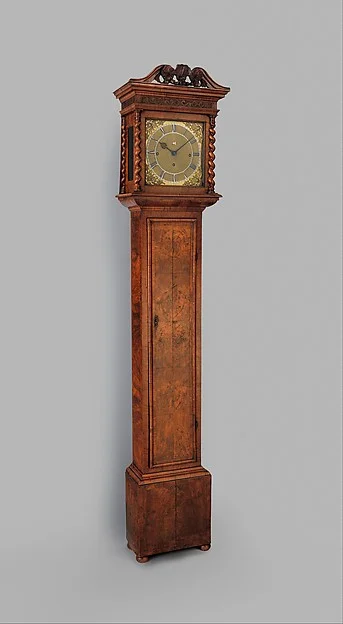
The dial gives the time. A longcase lets a hanging weight fall far enough to do the work, and the mechanism meters that fall into small movements.
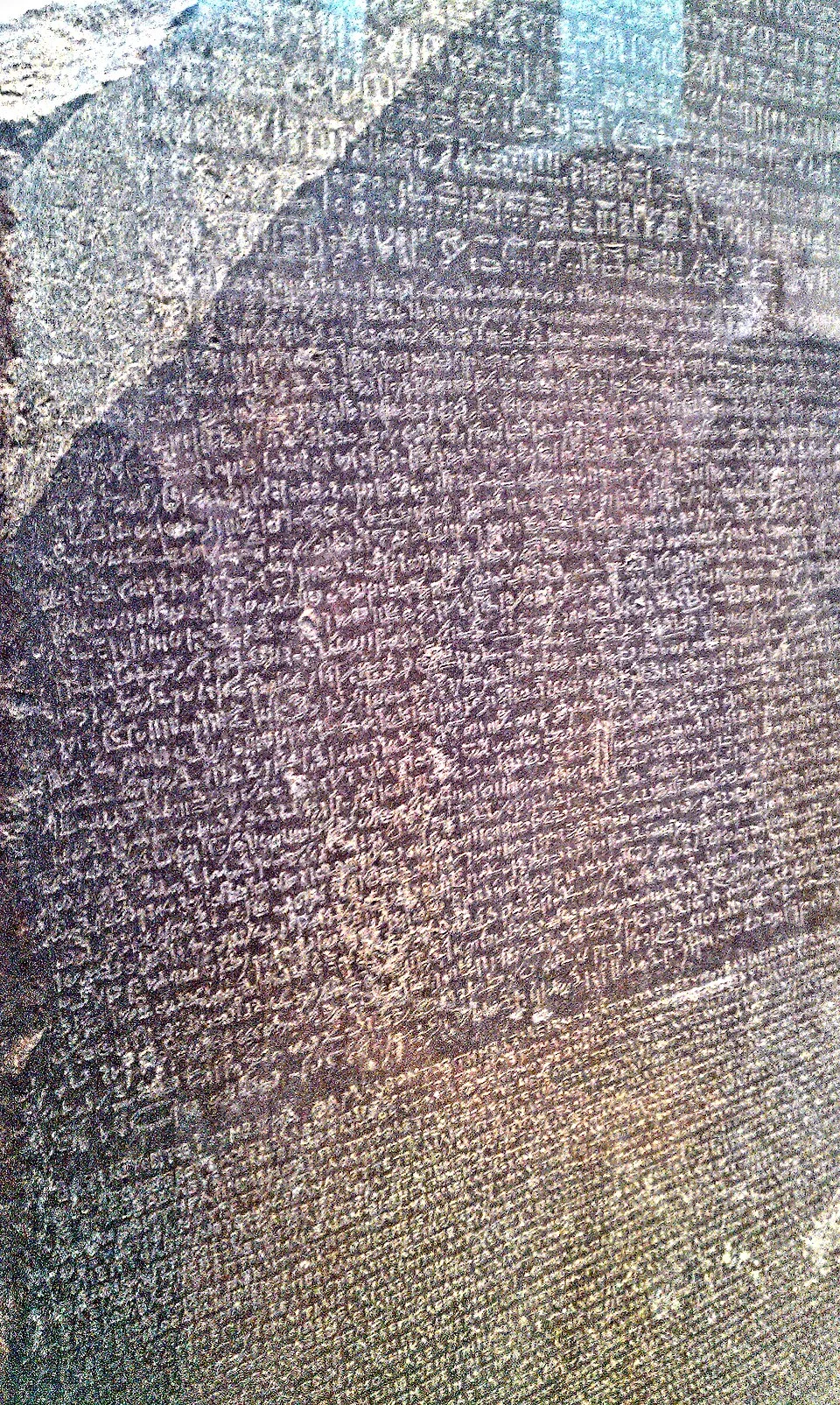
The Rosetta Stone makes a famous comparison possible, but the broken edge and the grouping of its signs show why decipherment took more than lining up translations.
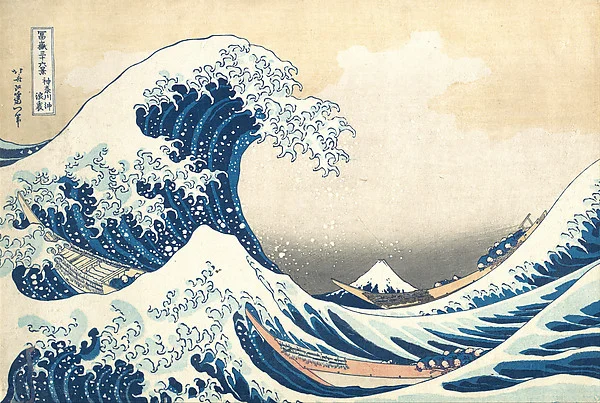
Different surviving impressions of Hokusai’s wave keep different pieces of evidence about the work done between drawing, cutting and printing.
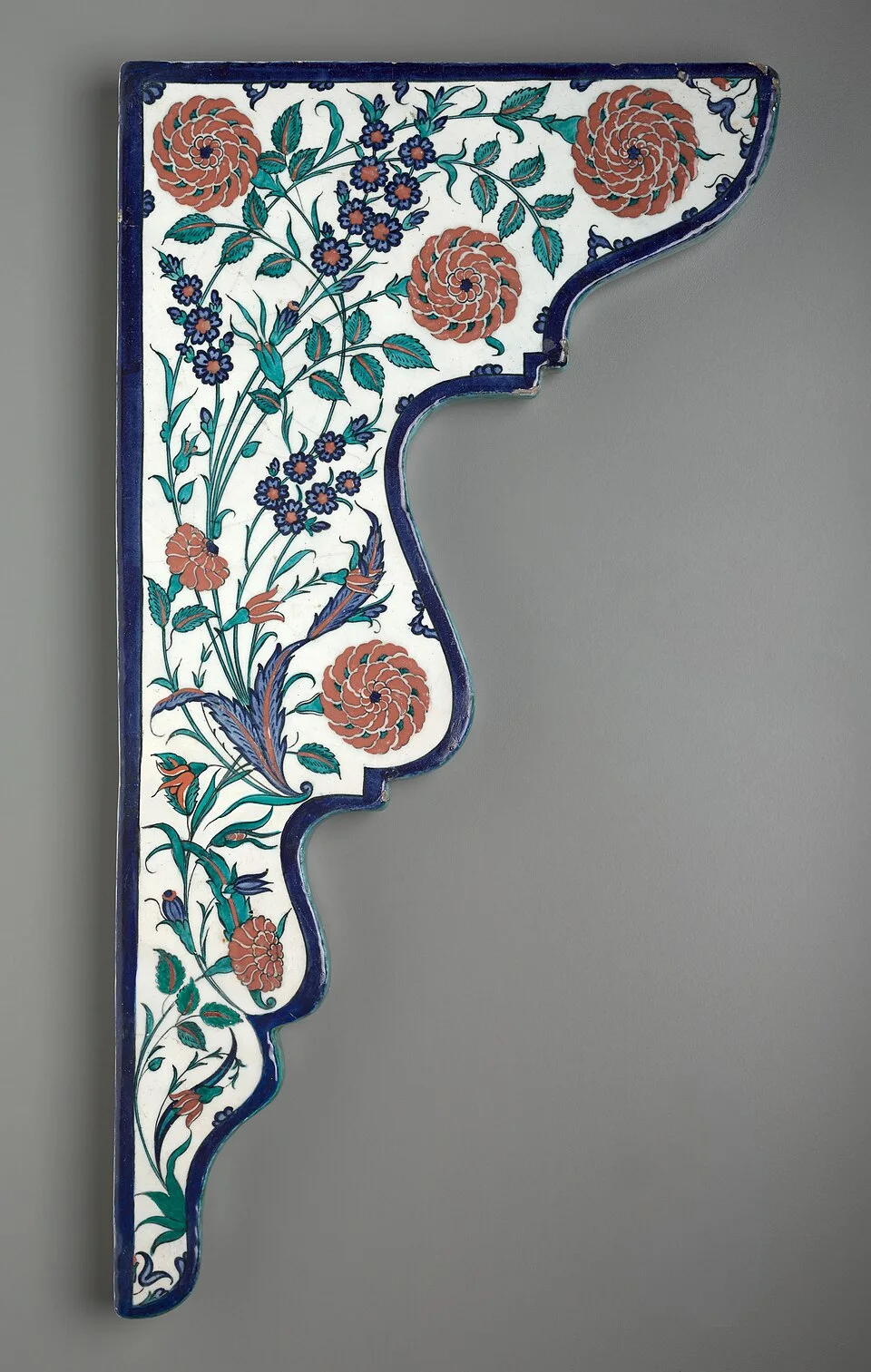
A floral spandrel at the Cleveland Museum of Art shows how painters could make a design feel expansive inside a boundary they could not move.
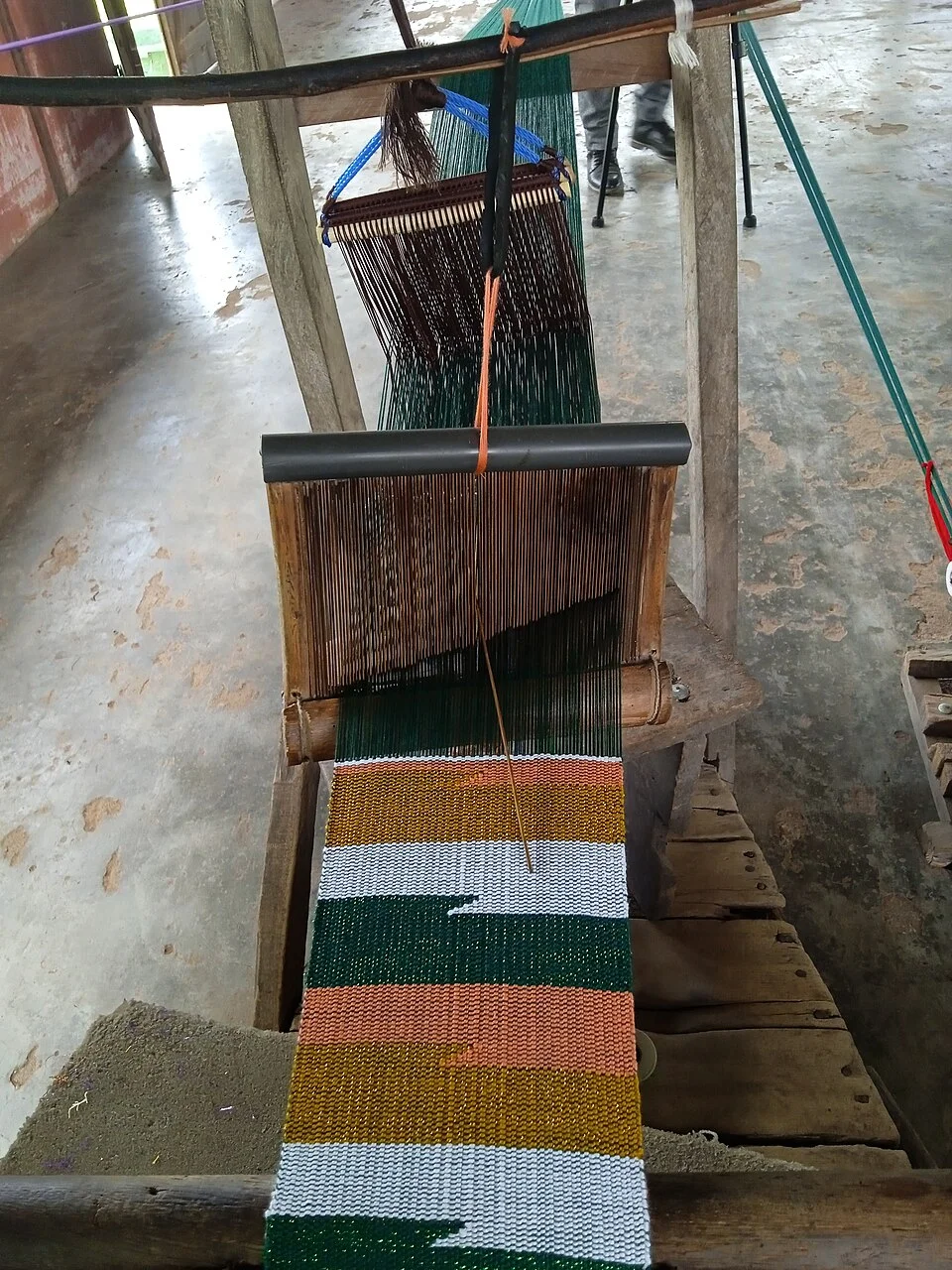
A narrow strip can leave a loom with a complete pattern and still be only one part of a wider cloth. The seam shows how the weaver’s work meets a second set of decisions.
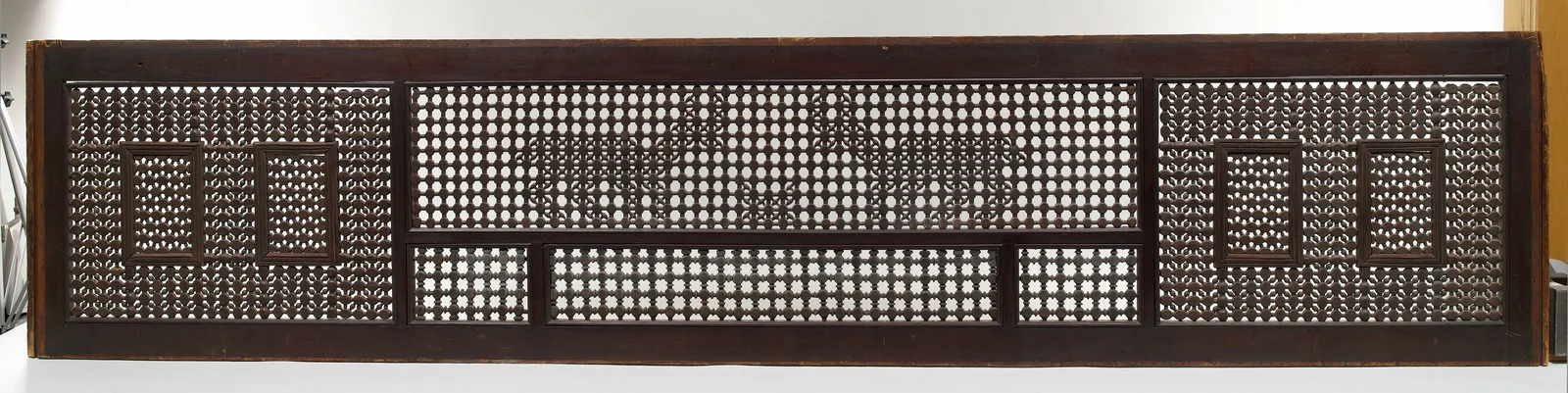
The small turned pieces in a mashrabiyya at The Met do two kinds of work. They make a surface that filters light, and they leave just enough of a break in the pattern for two animals to appear.